How To Choose An Effective Rootkit Malware Removal Tool.
Updated on October 21, 2022, by Xcitium
What Is a Rootkit Malware Removal Tool?
A rootkit malware removal tool is a cybersecurity program designed to detect, remove, and block rootkits—malicious software that hides deep within operating systems to evade detection. Rootkit removal tools scan hidden processes, drivers, boot sectors, and system files to identify stealth malware that traditional antivirus software may miss.
Rootkit Malware Removal Tool is designed to remove rootkit malware from the computer/device. A rootkit is a sophisticated malware and getting rid of a rootkit is just not plain easy. Most antivirus solutions do not detect rootkits.
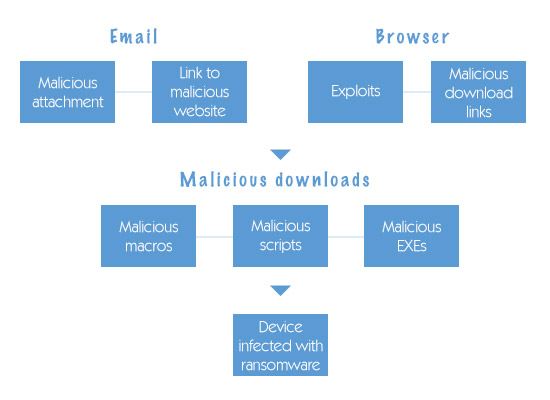
When a rootkit successfully infects a device, it obtains administrator-level privileges which allow it to download and install other malware such as antivirus disablers, keyloggers, and stealers of passwords and credentials. Rootkits recruit the device as a bot and use it for Distributed Denial of Service (DDoS) attacks. Rookits can stay hidden and also hide their payloads after they install themselves, and hence would be undetectable by typical antivirus solutions and rootkit malware removal tools.
Detection of Rootkit Malware Removal Tool
On successful installation, rootkits are able to hide their intrusion and are very difficult to detect. As they gain root access they are able to modify system, and software application files. The software now functions as desired by the rootkit or the tools that are part of the rootkit. This is a dangerous functionality as rootkits can disable even antivirus solutions. Now the rootkit can control the device/ computer and also download and install malware to enroll the device as part of a bot network. Devices that are part of bot networks are used to conduct DDoS attacks.
Rootkit Malware Removal Tool Quick Facts
| Feature | Rootkit Removal Tool |
|---|---|
| Main Purpose | Detect and remove hidden rootkits |
| Detects | Kernel, bootkit, firmware, and spyware rootkits |
| Scans | Drivers, boot sectors, hidden processes |
| Common Threats | Credential theft, spyware, backdoors |
| Detection Method | Behavioral and signature analysis |
| Used By | Enterprises and individual users |
Types of Rootkits
| Rootkit Type | Description |
|---|---|
| Kernel Rootkit | Operates inside the operating system kernel |
| Bootkit | Infects boot records before OS startup |
| Firmware Rootkit | Hides in BIOS or firmware |
| User-Mode Rootkit | Operates in application layers |
| Memory Rootkit | Hides within system memory |
Firmware and kernel rootkits are especially dangerous because they can survive reboots and evade standard detection tools.
Signs Your Computer May Have a Rootkit Infection
- slow system performance
- unexplained crashes or blue screens
- disabled antivirus software
- unusual network activity
- unauthorized administrator access
- hidden files or processes
- browser redirects
- missing security updates
Rootkits are designed to remain hidden, so infections may go unnoticed for long periods.
How to Remove Rootkit Malware
- Disconnect the infected device from the network
- Run a specialized rootkit malware removal tool
- Scan boot sectors, drivers, and hidden processes
- Quarantine or remove detected threats
- Update operating systems and security software
- Change passwords after cleanup
- Monitor systems for reinfection attempts
Some advanced rootkits may require offline scanning or operating system reinstallation for complete removal.
Rootkit Malware Removal Tool vs Antivirus
| Feature | Rootkit Removal Tool | Traditional Antivirus |
|---|---|---|
| Detects Hidden Rootkits | Yes | Limited |
| Behavioral Analysis | Advanced | Moderate |
| Boot Sector Scanning | Yes | Sometimes |
| Firmware Detection | Advanced | Rare |
| Real-Time Protection | Sometimes | Yes |
| Zero-Day Detection | Stronger | Limited |
Traditional antivirus tools may miss deeply embedded rootkits because rootkits manipulate operating system visibility.
Why Rootkits Are Dangerous for Businesses
Rootkits are among the most dangerous forms of malware because they:
- hide malicious activity
- bypass traditional security tools
- steal credentials and sensitive data
- create persistent backdoors
- support ransomware and espionage campaigns
For enterprises, rootkits can compromise entire networks while remaining undetected for extended periods.
Modern Rootkit Detection Trends
Modern rootkit malware uses:
- stealth persistence techniques
- firmware-level infections
- fileless malware
- encrypted payloads
- behavioral evasion
Advanced security platforms now use:
- AI-driven threat detection
- behavioral analytics
- EDR/XDR monitoring
- cloud-based malware intelligence
Behavioral analysis is becoming essential because signature-based detection alone may fail against evolving rootkit threats.
How Does a Rootkit Malware Removal Tool Work?
- The tool scans system memory, drivers, and boot sectors.
- It checks for hidden processes and suspicious behavior.
- Advanced detection engines analyze stealth techniques used by rootkits.
- Suspicious files and system modifications are quarantined or removed.
- The system is repaired and monitored for persistence attempts.
Modern rootkit scanners may also use behavioral analysis and cloud threat intelligence to identify unknown threats.
Best Rated Rootkit Malware Removal Tool
If you suspect that your device is infected with a rootkit, then you must dig out and delete the malware. If you have an antivirus solution on your device and if it has a rootkit scan – then run this scan to detect the rootkit. If your antivirus is effective then it would detect and delete the rootkit or ask you for appropriate action. Following this perform a thorough full scan of the device.
Traditional antivirus solutions perform signature-based detection by comparing with existing definitions in a virus database. While these solutions could detect known rootkits, they would not be able to detect well-hidden rootkits as well as zero-day rootkits.
The ZeroAccess Rootkit Malware Removal Tool
The ZeroAccess rootkit was famous a couple of years back. It acquired access to the computer/device by injecting malicious code into Adobe Flash Player updates. As the file appeared to come from Adobe, it was trusted and the malware would then gain root-level access to the system. The ZeroAccess is an advanced rootkit that runs at the kernel level that allows complete access to the system resources. Other advanced rootkits typically hide in the bootcode or firmware, and even if they are detected and deleted they get reinstalled when the system boots up again.
As malicious behavior remains hidden, alerting and logging systems don’t identify the behavior. Due to these traits, it is extremely troublesome to remove a rootkit. The user may have no other option other than to wipe the hard drive and reinstall the operating system.
Rootkit Malware Removal Tool: Effective Rootkit Malware Mitigation
It is important to prevent rootkit infection from occurring in the first place. The rootkit dropper must be prevented from penetrating the system defenses. It is difficult to detect the actions of the dropper. Only an advanced endpoint protection solution such as the Xcitium Advanced Endpoint Protection (AEP) can effectively block these and zero-day droppers. Xcitium AEP blocks all unknown files and automatically contains them in a sophisticated virtual environment. The suspected rootkit can access a virtual CPU, memory, and registry and perform the desired activities. If the behavior is malicious then Xcitium AEP blocks and deletes the rootkit.
Only Xcitium AEP can protect against zero-day rootkits.
Frequently Asked Questions
What is a rootkit malware removal tool?
A rootkit malware removal tool is software that detects and removes hidden malware designed to evade traditional security tools.
Can antivirus software remove rootkits?
Some antivirus tools can detect rootkits, but specialized anti-rootkit tools are often more effective against deeply hidden threats.
What are signs of a rootkit infection?
Common signs include slow performance, hidden processes, crashes, unusual network activity, and disabled antivirus software.
Are rootkits dangerous?
Yes. Rootkits can steal data, create backdoors, hide malware, and allow attackers to maintain persistent access to systems.
What is the difference between a rootkit and a virus?
A rootkit is designed to hide malicious activity and maintain stealth access, while a virus primarily spreads by infecting files and systems.
Related Sources:
What is Anti Malware Protection?
What is Malware?
What is Malware Scanner?
Best Online PC Scan Tools
Website Malware Removal
Best IT Service Management Tools
Rootkit Definition

 Loading...