Why I Need To Scan My Computer For Viruses
Updated on October 21, 2022, by Xcitium
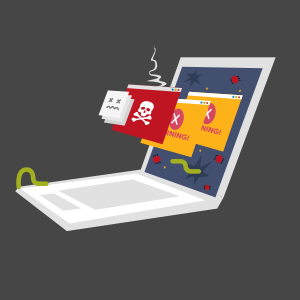
How Do I Scan My Computer for Viruses?
Scanning your computer for viruses involves using trusted antivirus or endpoint protection software to examine your system for malicious files, ransomware, spyware, trojans, worms, rootkits, and other cyber threats. A full system scan checks files, memory, startup programs, registry entries, and running processes to identify both active and hidden malware.
Running regular virus scans helps detect infections early, protect sensitive information, and keep your computer operating securely.
Today I use internet-connected devices in mostly all aspects of my life. I usually need to go online to search for information, bank, sometimes shop, do some office work, play games, and get in touch with my loved ones via social networking applications.
As a demand continues to rise, there is also a rising demand to scan my computer for viruses and other threats that will enter my system. My computer and other mobile devices contain a lot of personal and important information including my banking and other financial accounts, and other medical records.
This set of information is important and must be carefully protected. If I do not scan my computer for viruses or scan computers in the whole network, there are bad things that could happen to the systems. Hackers, identity thieves, and other fraudsters could have an access to my computer and may steal all my personal information.
Spam attackers may use my computer for some attackers to pretend and steal personal information. If I will not scan my computer for viruses, both could be deposited on your computer and other mobile devices secretly. Most cases it could remain hidden for a long period of time. It could also slow down or destroy any of my files or data.
How to Scan Your Computer for Viruses
Follow these steps to perform a complete virus scan:
- Open your antivirus or endpoint protection software.
- Update virus definitions or threat intelligence.
- Select Full System Scan.
- Allow the scan to complete without interruption.
- Review the scan report carefully.
- Quarantine or remove detected threats.
- Restart the computer if prompted.
- Perform a second scan to verify successful cleanup.
- Install operating system and application updates.
- Enable scheduled scans and real-time protection.
Performing a full scan provides the most comprehensive protection against malware.
Defining Viruses
Computer viruses are a small piece of software program or scripts that can greatly affect the health and output of the computer. These malicious software programs are capable of creating files, moving files, erasing files, consume a large amount of computer’s RAM memory, and it can cause your computer not to function properly if I did not scan my computer for viruses using the best computer scan software.
There are some viruses that can replicate themselves, attach itself to other programs, and travel across the entire local network. The most common way of spreading viruses these days is through the sending of email attachments. To better understand viruses, it would be better to identify different types of viruses.
Analyzing the Behavior
If I will not scan my computer for viruses and scan computers in the network, the computer system might experience a slower Internet connection and task processing. Although this behavior doesn’t always happen, blame the virus, if this occurs in a sudden situation and previously, you are not experiencing this, then it is possible that the computer is infected with a computer virus.
If I will not scan my computer for viruses and scan computers in the network, the computer system might behave very weird. Computer viruses are capable of doing strange things to a computer system. If the computer does not properly respond to the commands of the user, then it is possible that the computer is infected with a virus.
If I will not scan my computer for viruses and scan computers in the network, the computer system might show sudden freeze and crash frequently. Since computer viruses can damage the hard drive, they can cause my computer to behave a great failure. If the computer was able to survive the crash, it would be better to run an updated antivirus.
If I will not scan my computer for viruses and scan computers in the network, the computer system might show error messages. If it is infected with a computer virus, it may show some annoying pop-up messages that warn about some missing file systems or application files.
If I will not scan my computer for viruses and scan computers in the network, the computer system might display advertisements. It is very common to see such advertisements are browsing the internet, but if I see these ads when you are not actively browsing, then this could be a sign of a virus infection.
If I will not scan my computer for viruses and scan computers in the network, the computer system might send malicious emails. One of the main sources viruses is through email because viruses can spread itself through email.
If I will not scan my computer for viruses and scan computers in the network, the computer system might delete or add files on your hard drive. I must keep track of the size of the hard a virus may install multiple copies of itself or delete files unexpectedly.
What Does a Full Virus Scan Check?
A comprehensive virus scan examines:
- Operating system files
- Installed applications
- Running processes
- System memory
- Startup programs
- Windows Registry
- Browser extensions
- Temporary folders
- Download folders
- Email attachments
- USB devices
- External hard drives
Scanning these locations helps identify active infections as well as hidden malware.
Full Scan vs Quick Scan vs Custom Scan
Virus Scan Comparison
| Scan Type | Best For | Coverage |
|---|---|---|
| Full Scan | Suspected infections and routine maintenance | Entire system, including files, memory, registry, startup items, and applications |
| Quick Scan | Daily security checks | Common malware locations and active processes |
| Custom Scan | Specific folders, downloads, or removable media | User-selected locations only |
| Offline Scan | Rootkits and advanced persistent malware | Runs before the operating system starts |
A full scan is the recommended option when you suspect your computer may be infected.
Signs Your Computer May Have a Virus
Run a virus scan if you notice:
- Slow computer performance
- Frequent crashes or freezing
- Unexpected pop-up advertisements
- Browser redirects
- Unknown applications
- High CPU or memory usage
- Disabled antivirus software
- Missing or encrypted files
- Unusual network activity
- Unauthorized account logins
Scanning early helps reduce the risk of data loss and further infection.
Common Threats a Virus Scan Can Detect
Modern antivirus and endpoint protection solutions can detect:
- Computer viruses
- Ransomware
- Trojans
- Worms
- Spyware
- Adware
- Rootkits
- Keyloggers
- Fileless malware
- Potentially Unwanted Programs (PUPs)
Many solutions also use behavioral analysis and cloud-based threat intelligence to detect emerging threats.
What to Do If a Virus Is Found
If your antivirus detects a virus:
- Quarantine or remove the infected file.
- Restart the computer if prompted.
- Perform another full system scan.
- Install pending operating system updates.
- Change passwords if sensitive accounts may have been affected.
- Restore files from a clean backup if necessary.
- Continue monitoring your system for unusual activity.
Prompt action helps prevent additional damage and confirms the infection has been removed.
Best Practices to Keep Your Computer Virus-Free
Computer Security Checklist
✔ Keep antivirus software updated.
✔ Enable real-time protection.
✔ Install operating system updates promptly.
✔ Download software only from trusted sources.
✔ Enable a firewall.
✔ Back up important files regularly.
✔ Run scheduled full system scans.
✔ Avoid suspicious email attachments and links.
✔ Use strong, unique passwords.
✔ Enable Multi-Factor Authentication (MFA) whenever possible.
These practices help reduce the likelihood of future infections.
How To Protect My Computer
Use a trusted and dependable antivirus security solution and keep it sure that it is connected to the internet to get all the latest updates of the virus signatures from its website. This is the primary step before I’ll be able to scan computers and scan my computer for viruses.
Avoid from clicking the annoying pop-up advertisements that regularly appear on your screens. If I scan computers or scan my computer for viruses, the antivirus might be able to address this issues of pop-up ads.
Aside from doing it to scan my computer for viruses and scan computers, always scan my email attachments before opening them all.
Aside from doing it to scan my computer for viruses and scan computers, always scan the files that you downloaded using file-sharing programs.
Frequently Asked Questions About Scanning a Computer for Viruses
How do I scan my computer for viruses?
Open your antivirus software, update the latest threat definitions, run a Full System Scan, review the results, remove or quarantine detected threats, and restart your computer if required.
How often should I scan my computer?
Run a quick scan daily or several times a week and perform a full system scan weekly or monthly, depending on your usage and security requirements.
Can a virus scan remove malware?
Yes. Most modern antivirus and endpoint protection solutions can detect, quarantine, and remove viruses, malware, ransomware, spyware, and other malicious software.
What is the difference between a quick scan and a full scan?
A quick scan checks common malware locations, while a full scan examines the entire system, including files, memory, startup items, registry entries, and installed applications.
Can antivirus detect ransomware?
Yes. Many antivirus and endpoint protection solutions use signatures, behavioral analysis, artificial intelligence, and cloud-based threat intelligence to detect ransomware and other advanced threats.
Is one virus scan enough?
No. Continuous protection requires real-time monitoring, scheduled scans, automatic updates, and safe browsing practices.
PROTECT YOUR ENDPOINTS FOR FREE
Related Resources

