How to Avoid Ransomware Virus
Updated on October 21, 2022, by Xcitium
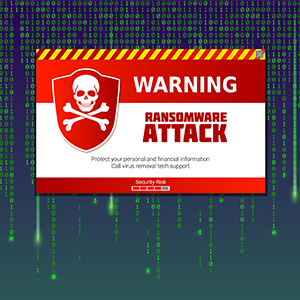
How to Avoid a Ransomware Virus
A ransomware virus is an advanced cyber threat that locks down your data or computer system. It will just take over the computer and show you a ransom note on a locked screen. Ransomware can infect your computer anytime, so proper knowledge on how to prevent ransomware virus is something you need to arm yourself with.
Ransomware creators use social engineering methods to exploit a potential victim.
When a victim falls for the ploy, the hacker makes the victim download the virus unintentionally and then a ransomware attack occurs. The malware then uses a military-grade encryption algorithm that prevents computer users to decrypt the infected data on their own.
Part of being a responsible network user is knowing all necessary information you can get to protect your device and all data saved in it. Luckily, there are certain precautions you can take to defend yourself against any possible ransomware attack.
Here are a few tips to remember on how to avoid ransomware virus:
10 Best Ways to Avoid a Ransomware Virus
Follow these best practices to protect your devices and business:
- Keep your operating system and software up to date.
- Install trusted endpoint protection with real-time monitoring.
- Enable Multi-Factor Authentication (MFA) on all critical accounts.
- Create regular offline or immutable backups.
- Never open suspicious email attachments or links.
- Download software only from trusted sources.
- Limit user privileges using the principle of least privilege.
- Keep macros disabled unless absolutely necessary.
- Monitor networks and endpoints for unusual behavior.
- Educate employees about phishing and social engineering attacks.
Following these steps helps reduce the likelihood of ransomware compromising your systems.
Avoid Ransomware
Tip 1: Improve your Security Settings
The first tip on how to delete ransomware virus is to check your computer’s security settings. Limit the administrative privileges of certain software that you don’t regularly use. Also, adjust your browser’s privacy settings to further increase security. You can also install an ad-blocker extension to your browser to block potentially malicious ads (a.k.a. malvertising) from infecting your device.
Tip 2: Always Update Software
Never forget to update your software and operating system. Ensure that your computer is always upgraded to the latest patches and updates. Usually, developers regularly release updates so always be active in updating your software and OS. If possible, allow your software and OS to be automatically updated once developers release the packages. This tip on how to avoid ransomware is a must because outdated software is a common entry point for a ransomware virus.
Tip 3: Proper Online Behavior
Observing proper online behavior is an effective way to master to prevent ransomware virus. Ransomware creators have become more sophisticated and make their current attack methods more difficult to detect, especially by users who lack proper cybersecurity knowledge. A common method used by ransomware creators is spam email campaigns. These emails contain malicious links and file attachments that can inject the ransomware virus to the computer once clicked.
Another method ransomware creators use are directing potential victims to compromised websites. This method begins when a victim clicks a malicious ad placed on a legitimate website. This ad will direct the user to a compromised website where a hidden ransomware virus is present.
Being cautious about your online behavior is really effective to avoid ransomware virus. Always remember to not just click any link or file attachment. Be vigilant as well in clicking ads on any website to not get yourself into a situation where a ransomware virus has successfully infected your computer.
Tip 4: Security Software
Having a security software that can protect you from any malware attack is an effective way to prevent ransomware. Choose a security software tool that can identify and detect unknown and malicious files on your computer. It must be able to delete all discovered threats immediately and permanently.
The security software that you should choose must be able to provide you with real-time protection. That way, you can be confident that you have an extra layer of protection set on your device.
Tip 5: Regular Backup Routine
Lastly, have a backup copy of your data (especially the most important files). You must back up your files regularly. You can do this either by using cloud services platforms (Google Drive, DropBox) or external drives (portable HDD).
This tip might not prevent ransomware virus from infecting your computer, but it can make a ransomware attack much less significant. Remember that your files are the targets of the ransomware creator, so if you have a backup copy of your data, then there’s less to worry about. You just need to do the proper method on how to eject the ransomware out of your computer and copy the backup files to your now ransomware-free device.
Taking necessary measures on how to avoid ransomware virus is a must to save yourself from any trouble losing your files can bring. Practice comprehensive security measures on your computer now to prevent ransomware creators from finding a vulnerable spot on your computer system.
How Does a Ransomware Virus Spread?
Ransomware commonly spreads through:
- Phishing emails
- Malicious attachments
- Fake software updates
- Drive-by downloads
- Exploited software vulnerabilities
- Remote Desktop Protocol (RDP) attacks
- Compromised websites
- Infected USB devices
- Third-party software vulnerabilities
Understanding these attack methods helps organizations strengthen their defenses and reduce exposure.
Warning Signs of Ransomware
You may be experiencing a ransomware attack if you notice:
- Files suddenly become inaccessible.
- File extensions change unexpectedly.
- A ransom note appears on your screen.
- High disk or CPU activity without explanation.
- Shared folders become unavailable.
- Security software is disabled.
- Systems slow down significantly.
- Suspicious encryption processes are running.
Early detection increases the chances of containing an attack before it spreads.
Ransomware Prevention vs Recovery
| Prevention | Recovery |
|---|---|
| Stops ransomware before infection | Restores systems after an attack |
| Uses endpoint protection and monitoring | Uses backups and incident response |
| Reduces business disruption | Focuses on business continuity |
| Lowers overall cyber risk | Helps recover encrypted data |
| Continuous security process | Post-incident activity |
Prevention is generally more effective and less costly than recovering from a ransomware attack.
Technologies That Help Prevent Ransomware
Modern organizations use multiple layers of protection, including:
- Endpoint Detection and Response (EDR)
- Extended Detection and Response (XDR)
- Email security gateways
- Zero Trust Network Access (ZTNA)
- Multi-Factor Authentication (MFA)
- Behavioral threat detection
- Security Information and Event Management (SIEM)
- Immutable backup solutions
Layered security significantly improves resilience against ransomware.
Steps to Take Immediately
If you suspect ransomware:
- Disconnect the affected device from the network.
- Avoid turning the system off unless instructed by your incident response team.
- Notify your IT or security team immediately.
- Isolate affected systems to prevent lateral movement.
- Preserve logs and evidence for investigation.
- Run approved security tools to identify the threat.
- Restore data only from clean, verified backups.
- Review and strengthen security controls after recovery.
Responding quickly can reduce damage and speed up recovery.
Why Preventing Ransomware Matters
A strong ransomware prevention strategy helps organizations:
- Reduce operational downtime
- Protect sensitive customer and business data
- Minimize financial losses
- Improve regulatory compliance
- Strengthen business continuity
- Protect brand reputation
- Reduce incident response costs
Investing in prevention is often far less expensive than recovering from a successful attack.
Example: Preventing a Ransomware Attack
An employee receives a phishing email with a malicious attachment.
The organization’s security platform:
- Blocks the malicious attachment.
- Detects suspicious behavior when execution is attempted.
- Isolates the endpoint automatically.
- Alerts the security team.
- Prevents ransomware from encrypting shared files.
Layered security controls stop the attack before business operations are affected.
Ransomware Prevention Checklist
Daily Security Checklist
| Task | Benefit |
|---|---|
| Update operating systems | Reduces exposure to known vulnerabilities |
| Run endpoint protection | Detects and blocks threats in real time |
| Verify backup status | Improves recovery readiness |
| Monitor security alerts | Enables faster incident response |
| Review privileged accounts | Reduces unauthorized access |
| Conduct phishing awareness training | Lowers human-related security risks |
Frequently Asked Questions About Avoiding Ransomware
What is the best way to avoid a ransomware virus?
Keep systems updated, use trusted endpoint protection, enable Multi-Factor Authentication, maintain secure backups, and avoid suspicious emails, links, and downloads.
Can antivirus prevent ransomware?
Modern endpoint protection and anti-ransomware solutions can detect and block many ransomware attacks, especially when combined with behavioral analysis and real-time monitoring.
How do ransomware attacks usually start?
Most ransomware attacks begin through phishing emails, malicious attachments, compromised websites, exploited vulnerabilities, or weak remote access services.
Can backups prevent ransomware?
Backups do not prevent ransomware, but they help organizations recover data without relying on attackers. Offline or immutable backups provide stronger protection against ransomware.
What industries are most targeted by ransomware?
Healthcare, financial services, manufacturing, government, education, retail, and critical infrastructure are among the industries most frequently targeted.
Should businesses implement Zero Trust to prevent ransomware?
Yes. Zero Trust limits unauthorized access, enforces least-privilege permissions, continuously verifies users and devices, and helps reduce the spread and impact of ransomware.
Free Forensic Analysis Get Free Trial Now!
How To Remove Ransomware Virus
Related Resources

